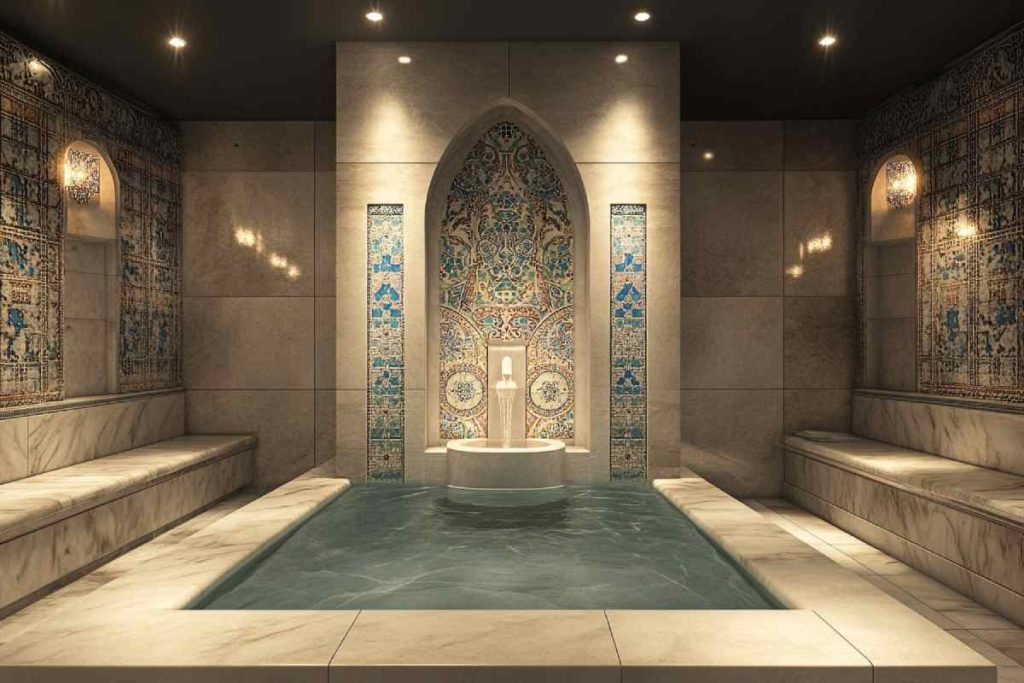
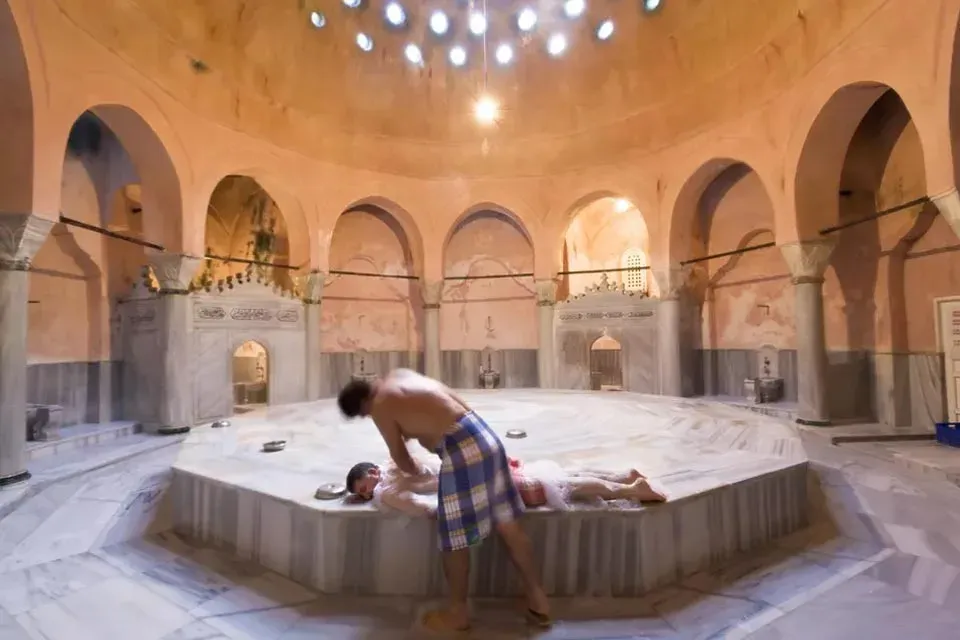
The Turkish bath invites you into a ritual of heat, cleansing, and calm, where marble corridors and steamy rooms set the stage for mindful renewal. This hammam ritual blends steam, massage, and mindful breathing, with Turkish bath etiquette guiding the quiet rhythm of the experience. In many settings, the steam portion—often called the Turkish steam bath—offers a gentle, enveloping heat that invites deep relaxation. The overall experience supports improved circulation, soothed muscles, and clearer skin, while fostering quiet social connection and a sense of shared calm. Together, these elements contribute to long-term hamam wellness and a renewed sense of balance.
Beyond the name itself, this steam-centered tradition traces back to baths in ancient ports and long halls where bodies surrendered to warmth and ritual. Its origins lie in the Ottoman bath tradition, a ceremonial cleansing ritual that pairs heat, water, and skilled massage. Visitors move through progressively warmer spaces, experience intimate steams, and conclude with soothing wraps and restful moments—elements that echo in modern spa cultures. In contemporary wellness venues, the concept has evolved into a holistic approach to body and mind, emphasizing relaxation, social quietude, and mindful hydration. In this way, the historic bath experience invites travelers and locals alike to slow down, reconnect with breath, and enjoy a restorative ritual.
The Core of Hammam Ritual: What Makes a Turkish Bath Unique
The hammam ritual blends cleansing with heat, marble architecture, and mindful presence. This Turkish bath practice is more than a spa treatment; it’s a cultural ceremony that embodies hamam wellness by combining cleansing with heat and a deliberate pace. The architecture—cool marble, vaulted ceilings, and water features—frames a tranquil journey that invites a slower pace and a deeper sense of presence.
In a typical hamam, visitors move through a sequence of progressively warmer rooms; the architecture itself becomes part of the healing experience. The core principle remains gentle purification: slow heat, steady steam, and a focus on breath that prepares the skin for cleansing and a restorative massage in a Turkish steam bath ambience.
Hamam Wellness: Physical and Mental Benefits of the Turkish Bath
Physically, the Turkish bath benefits include improved circulation, toxin elimination through sweating, and smoother skin texture as exfoliation reveals new cells. This aligns with the broader idea of hamam wellness and highlights some of the key Turkish bath benefits that many seekers pursue.
Mentally, the slow, ritualized pace acts as moving meditation, lowering stress and fostering a calm state. The social and ceremonial aspects of the hammam also contribute to a balanced sense of well-being, enhancing overall vitality within a tranquil setting.
The Traditional Steps of a Hammam Ritual: From Warmth to Foam Massage
The traditional steps begin in a warm room, followed by steam and then a hotter chamber, a rhythmic sequence that defines the hammam ritual. A kese exfoliation with olive oil soap prepares the skin for deeper cleansing, while the rich lather creates a cleansing sensation that is both cleansing and soothing.
After exfoliation, a foam massage known as a foam rub is performed, with long, flowing strokes to promote circulation and relaxation. Rinsing follows to wash away suds and impurities, and many hammams offer a resting period in a cool or temperate room so the body can re-balance before continuing with daily life.
Turkish Bath Etiquette: Respect, Preparation, and Comfort in Public Hamams
To get the most from a Turkish bath, arrive a little early to allow time for changes and to settle into the mood. Wear comfortable clothing or a towel; in many traditional hammams guests enter with only a towel or ceremonial loincloth, and you may be given a wrap to retain modesty. Bring small items such as a shower cap, flip flops, and a bottle of water to stay hydrated between stages; tipping is common in many places to acknowledge attentive care.
Etiquette emphasizes respect for others, patience with the process, and kindness toward staff. If you are visiting a public hamam, listen to the staff and follow the flow of activities, and consider accessibility options or private rooms if heat or pace needs adjustment.
Regional Variations and Global Adaptations of the Turkish Bath
While the core concept remains the same, hamam experiences vary by region. In Istanbul, historic Turkish baths are often built around grand marble rooms, domes, and precise ritual steps, while elsewhere you may find modern spa versions that preserve the essential sequence of warm rooms and steam with contemporary privacy and service options.
Across the world, the Turkish bath has inspired wellness spaces that blend traditional practices with modern spa therapy. Regardless of variation, the aim remains the same: a quiet, immersive experience that invites full attention to the breath, body, and senses within a calm and respectful environment.
Choosing a Hamam for Wellness: Finding the Right Turkish Bath Experience
Choosing a Turkish bath venue is an investment in your well-being. Look for spaces that emphasize cleanliness, warm hospitality, and a respectful approach to the ritual. A good hamam will provide clear guidance on the steps, the kinds of scrubs or massages offered, and the typical duration of the session; if you have skin conditions, allergies, or medical concerns, consult staff beforehand so they can tailor the experience.
A well-designed hammam wellness program pays attention to the patient journey from the moment you arrive to the moment you step back into daily life, and it respects the importance of hydration and rest after the session.
Frequently Asked Questions
What is a Turkish bath and how does the hammam ritual typically unfold?
A Turkish bath, or hamam, is a cleansing ritual that combines heat, steam, and mindful breathing. In a typical hammam, you move through progressively warmer rooms, enjoy steam, exfoliate with a kese, receive a foam massage, rinse, and rest. The focus is gentle purification and relaxation, not rushing.
What are the Turkish bath benefits for body and mind?
Physically, heat and cleansing improve circulation, support skin texture through exfoliation, and ease muscle tension with massage. Mentally, the slow, ritual pace provides a reset and calm, making it a restorative part of hammam wellness. It can also be a social, reflective experience in many settings.
What Turkish bath etiquette should I follow before and during a session in a Turkish steam bath?
Arrive early to settle in, wear a towel or wrap, and stay hydrated. Follow staff guidance, respect others, and observe tipping norms where appropriate. By keeping modesty and patience at the core, you support a peaceful hammam environment.
How should a first-time visitor prepare for a hammam wellness experience?
Hydrate well beforehand, avoid heavy meals or alcohol right before, and choose a clean, reputable venue. Inform staff of skin conditions or medical concerns, and plan for a slow, unhurried pace. Bring a towel, flip-flops, and water to support the experience and its hammam wellness goals.
What happens during the exfoliation and foam massage in a Turkish bath?
The exfoliation uses a kese with olive oil soap to remove dead skin, followed by a thick, warming foam massage with long strokes. Rinsing cleans away suds, then you rest to allow the body to recompose, completing the hammam ritual.
Is a Turkish bath safe for travelers or people with health concerns?
For healthy adults, Turkish baths are generally safe when used with sensible pacing and hydration. People with cardiovascular conditions, pregnancy after the first trimester, skin infections, or wounds should seek medical advice first. If heat feels excessive, leave the hot room and seek a cooler, private space; privacy and accessibility options can help.
| Section | Key Points |
|---|---|
| Introduction | Turkish bath blends cleansing with heat, marble architecture, and a slower pace; a global concept that emphasizes mindful presence and hammam wellness. |
| What is a Turkish Bath? | Sequence of heat and cleansing to open pores, relax muscles, and prepare skin; rooted in Roman and Islamic traditions; architecture and ceremonial atmosphere emphasize gentle purification and patience. |
| The Hamam Wellness Experience | Stages from warm welcome to steam, then hotter rooms; exfoliation with kese and olive oil soap; foam massage, rinsing, and a resting period to restore balance. |
| Benefits | Improved circulation and detox via sweating; exfoliation improves skin texture; massages reduce tension; mental calm through ritual pace; social and communal aspects. |
| Etiquette and Preparation | Arrive early, wear a towel; bring water and basic items; follow staff flow; tipping common; practice respect, patience, and kindness. |
| Variations Across Regions | Regional differences (e.g., Istanbul’s grand marble baths vs. modern spa versions) but core sequence remains warm rooms and steam, with a focus on quiet, immersive breath-work. |
| Choosing a Hamam for Wellness | Prioritize cleanliness, hospitality, clear guidance on steps and treatments; check for suitability with skin conditions or allergies; hydration and rest are essential. |
| Tips for First Timers | Pace yourself, hydrate, listen to your body; opt for gentler exfoliation if desired; reserve kese for later; view the experience as self-care. |
| Safety and Accessibility | Be aware of health conditions; stay hydrated; leave hot areas if dizzy; consider private or accessible spaces for comfort. |
| Conclusion | The Turkish bath experience is a timeless tradition of heat, cleansing, and mindful connection that supports body, mind, and community. |
Summary
The HTML table above summarizes the key points of the base content about the Turkish bath in English. The subsequent paragraph provides an SEO-friendly, descriptive conclusion in English, focusing on the Turkish bath experience.