
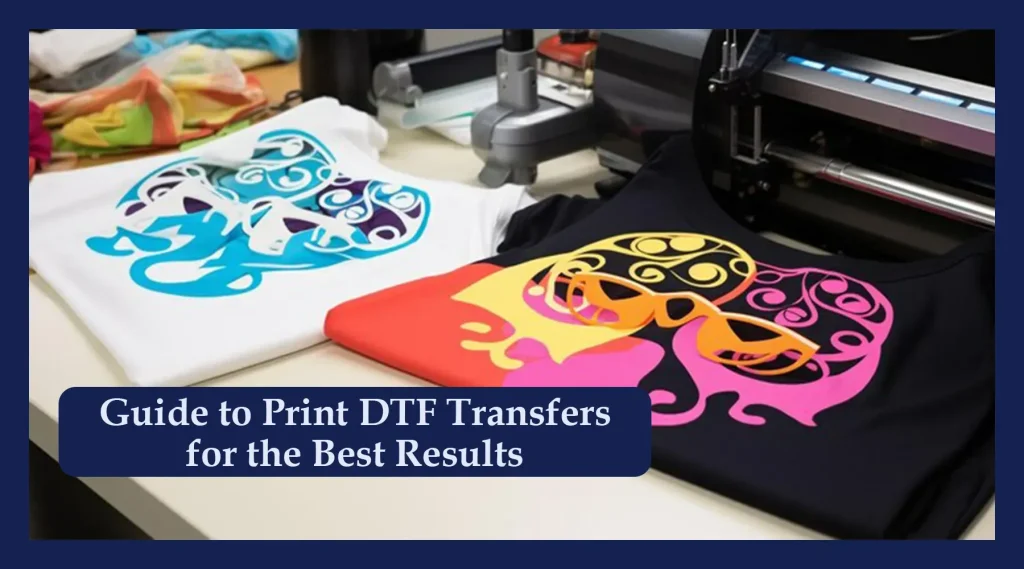
DTF transfers have transformed custom apparel and small-batch fashion, delivering vibrant color, a soft hand, and reliable durability. Direct-to-film printing uses a PET film, specialized inks, and a heat-transfer process to imprint designs onto a wide range of fabrics. Because the process often requires less pretreatment, shops can move from concept to garment more quickly than with many traditional methods today. The secret lies in the materials—the inks, the adhesive powder, and how heat and pressure bond color to fiber. Understanding these components helps designers choose fabrics and workflows that yield vivid, durable prints even after repeated wearing and washing.
As a film-based garment decoration method, this approach blends digital imagery with textile finishing through a heat-press step. The process starts with printing onto a transmissive film, followed by a bonding powder and a controlled heat application to fuse the image to fabric. Compared with other textile printing paths, such as DTG or sublimation, the film carrier and adhesive bond expand compatibility across blends and synthetics. The result is vivid color, sharp edges, and a durable finish that stands up to repeated wear and washing. For teams, brands, and custom shops, understanding the film-ink-adhesion workflow enables better fabric choices and more reliable long-term performance.
DTF Transfers: What They Are and How They Work
DTF transfers have emerged as a flexible option for custom apparel, sports merch, and small-batch fashion. They rely on direct-to-film printing, where an image is printed onto a PET film using inks and an adhesive-ready workflow designed for strong color and reliable adhesion on fabrics. A white underbase is often employed to improve color reproduction on dark textiles, and a powdered adhesive is applied to the wet print to prepare a heat-activated bond with the fibers.
During assembly, the film is cured and then pressed onto fabric. When heat, pressure, and dwell time are correctly applied, the adhesive powder melts and flows into the textile fibers, embedding the pigment within the surface. The result is a vivid, durable image that can adhere to cotton, blends, and polyesters without the need for extensive pretreatment or costly equipment.
Because the transfer relies on film, ink chemistry, and a bonding adhesive rather than only the fabric’s dye receptivity, DTF transfers offer consistent color reproduction across a wide range of fabrics. This makes them especially attractive for multi-fabric products and small-batch runs where flexibility and production speed matter.
DTF Ink Chemistry: Color, Adhesion, and Durability
DTF ink chemistry combines pigments, stabilizers, carrier solvents, and a resin binder designed to bond with the adhesive-coated film. The formulation aims for a broad color gamut, high saturation, and strong adhesion to the powdered substrate while maintaining sharp edges and minimal bleed.
The resin binder melts just enough under heat to fuse with the adhesive powder, creating a durable network that locks pigment particles to the fabric. This binder balance is critical for wash durability and edge definition, helping prints resist cracking and dye migration over time.
Careful dispersion stability and anti-settling agents keep colors consistent across long print runs. The result is vibrant, color-fast images on a variety of fabrics, with predictable performance from run to run.
DTF Transfer Durability: Factors and Care
DTF transfer durability depends on several interacting factors: the quality of the DTF inks, the integrity of the white underbase (when used), the uniformity of adhesive application, and the precision of heat pressing. Proper curing ensures the binder and pigment are effectively integrated with the adhesive network, which translates to longer wear life.
Fabric type matters. Cotton’s rough, porous fibers often hold ink and adhesive well, while synthetics may require adjusted temperature or dwell time to optimize bonding and flexibility. Following manufacturer guidelines for temperature, pressure, and time helps maximize longevity and minimizes edge lifting or cracking.
In practice, well-executed DTF prints show strong wash resistance and durability with routine care—turning garments inside out, washing in cold water, and avoiding high-heat dryers can extend life even further.
DTF Transfers on Cotton, Blends, and Polyester: Fabric Compatibility
DTF transfers are notably compatible with a wide range of fabrics, including cotton and cotton blends. The bond formed by the adhesive powder, combined with the film and ink layers, can yield a soft-hand feel on natural fibers while maintaining durability on blends. The white underbase, when used, helps ensure bright, true colors on darker cottons.
For polyester and synthetic blends, the surface is typically smoother, which can affect adhesion and edge sharpness. Adjustments to heat, pressure, and dwell time are often necessary to optimize the transfer’s bond without sacrificing flexibility. In these cases, DTF’s film-based workflow and adhesive chemistry can offer advantages over some other transfer methods.
Overall, fabric heat transfer techniques used in DTF are designed to accommodate diverse materials, enabling flexible product lines without requiring fabric-specific pretreatment or yield-limiting processes.
DTF vs DTG Printing: Pros, Cons, and Use Cases
Direct-to-film printing and direct-to-garment printing aim for high-detail, colorful graphics, but they achieve this with different workflows. DTF printers apply ink to a PET film and then transfer the image to fabric using adhesive, often delivering consistent color across a wider range of fabrics and avoiding some pretreatment steps.
DTG prints ink directly onto the garment, which can yield superb hand feel on 100% cotton fabrics when paired with the right pre-treatment and ink system. However, DTG performance can vary with different fiber contents and may require more fabric-specific preparation, especially on blends or synthetics.
For small runs or designs intended for multiple fabric types, DTF can be more cost-effective and versatile due to easier storage of transfers and broader substrate compatibility. The choice between DTF vs DTG often hinges on fabric content, run length, color fidelity on diverse substrates, and production workflow preferences.
Best Practices in Fabric Heat Transfer Techniques for DTF
To maximize color, durability, and feel, follow manufacturer-recommended heat press parameters for each fabric: precise temperature, dwelling time, and pressure. Ensuring an even adhesive application across the print helps avoid weak points where the ink or adhesive could delaminate.
Implement proper curing and cooling practices. Allow the transfer to set fully and cool gradually to prevent warping or edge lifting. When handling ready-to-press transfers, store them flat and avoid moisture exposure to preserve print quality.
Finally, align the use case with fabric heat transfer techniques: cotton and blends generally respond well to standard DTF protocols, while synthetics may require parameter tuning. Ongoing care instructions for end users—washing inside out, using mild detergents, and avoiding high-heat drying—will also extend the life of DTF prints.
Frequently Asked Questions
What is direct-to-film printing and how do DTF transfers work?
Direct-to-film printing prints an image onto a PET film using specialized DTF inks, often with a white underbase, followed by a powdered adhesive. When heat pressed onto fabric, the adhesive melts and bonds the image to the textile, delivering a vivid, durable DTF transfer across cotton, blends, and polyesters.
How does DTF ink chemistry affect color quality and wash durability?
DTF ink chemistry combines pigments, stabilizers, and a resin binder that helps the ink bond with the adhesive powder and the fabric. This chemistry drives color gamut, edge sharpness, and wash durability, with the binder forming a durable network after heat activation.
What factors influence DTF transfer durability and how can you maximize it?
Durability depends on ink quality, the integrity of the white underbase (when used), even adhesive powder application, precise heat pressing (temperature, time, and pressure), and the fabric type. Maximize it by following manufacturer guidelines, ensuring even powder coverage, proper curing, and care practices like washing inside out and avoiding high-heat drying.
DTF vs DTG printing: which is better for print quality and cost on different fabrics?
DTF generally offers strong color, edge sharpness, and multi-fabric compatibility (including blends and polyester) with fewer pretreatment steps, making it cost-effective for small runs. DTG can excel on 100% cotton with the right pretreatment and ink system, but its performance is more fabric-specific and often requires more setup.
How do fabric heat transfer techniques affect DTF transfers across multiple fabrics?
DTF transfers fit within fabric heat transfer techniques by providing reliable results on a wide range of fabrics. The outcome depends on adhesive performance, correct heat-press settings, and fabric type, making testing important when applying DTF transfers to blends, cottons, or polyesters.
What care steps help extend the life of a DTF transfer?
To maximize DTF transfer longevity, wash inside out in cold water with mild detergent, avoid high-heat tumble drying, and follow any care instructions from the printer. Proper cooling after pressing and avoiding harsh agitation also help preserve color and adhesion over time.
| Topic | |
|---|---|
| What is DTF? | Direct-to-film printing that prints an image on PET film using specialized inks, powders, and adhesives, then heat-pressed onto fabric for a vivid, durable image. |
| How It Works (Overview) | Design prepared for DTF → print on PET film with adhesion-friendly inks → apply white underbase for dark fabrics → apply heat-activated adhesive powder → cure and peel film → heat-press transfer to fabric. |
| Key Materials | PET film, DTF inks, white underbase (when needed), adhesive powder, heat press equipment. |
| Why It Looks Vivid | White underbase enhances color on dark fabrics; high-saturation inks; adhesive bond locks pigment; proper curing and cooling preserve edge sharpness. |
| Durability & Washability | Bond strength depends on ink chemistry, adhesive integrity, curing, and fabric type; care conditions (cold wash, inside-out) extend life. |
| DTF vs Other Methods | Compared to DTG, sublimation, and screen printing: DTF supports more fabrics (blends/polyester), can be cost-effective for small runs, and yields consistent color; DTG may excel on 100% cotton with proper pretreat. |
| Best Practices | Choose suitable fabric; use manufacturer-recommended heat/pressure/time; ensure even adhesive application; cool properly; follow garment care guidance. |
| Key Takeaways | DTF transfers offer versatile, durable, multi-fabric prints with good color reproduction and practical small-batch production benefits. |
Summary
Conclusion: DTF transfers are a versatile method for decorating textiles, delivering vivid color and durable imagery across cotton, blends, and polyesters. This technique relies on a careful interplay between film, ink chemistry, adhesive powder, and heat, creating a transfer that embeds pigment into fibers while maintaining fabric feel. By understanding the science behind direct-to-film printing and following best practices for heat, pressure, and washing care, designers and shops can achieve consistent results with flexible production across varied fabrics. In modern garment decoration, DTF transfers stand out for their multi-fabric compatibility, color richness, and durability, making them a strong option for custom orders, small runs, and evolving design ideas.