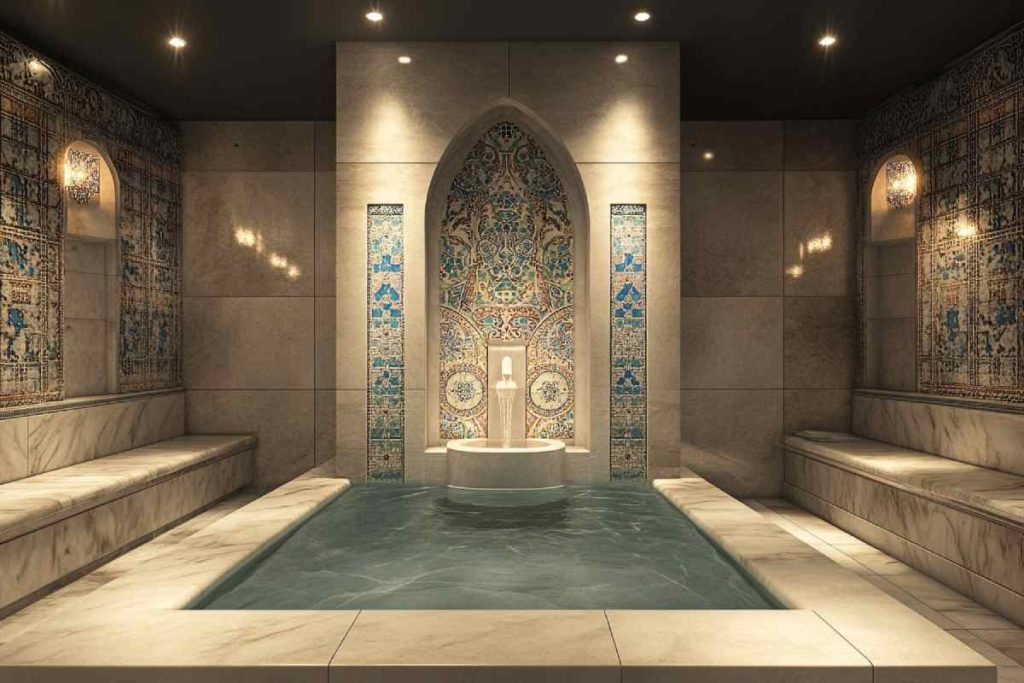

Turkish hammams invite travelers into a living tradition where marble, steam, and ceremonial cleansing weave together to tell a story of place, craft, and hospitality, creating a sensory doorway into a centuries-old culture that many visitors describe as unforgettable. In Istanbul’s grand and intimate baths, centuries of craftsmanship meet modern comfort, and Ottoman baths echo through carved marble and tiled courtyards, inviting visitors to pause, reflect, and imagine a ritual that has shaped city life for generations. The journey typically unfolds through carefully choreographed spaces—the warm room greets you with gentle heat, a cleansing wash follows, a foam scrub reveals smoother skin, and optional massages or oils complete the experience with personal care and nourishment. Etiquette for these baths is respectful and understated, guiding guests to communicate preferences clearly, dress modestly, and hydrate during breaks as the heat shifts toward a deeper, restorative immersion. Whether you arrive for ceremonial cleansing, quiet contemplation, or a luxurious wellness escape, this experience can anchor your itinerary with a vivid sense of place, linking history, hospitality, and personal renewal in a way few activities do for those who travel to connect with place, history, and the ritual of care that remains deeply meaningful today.
Beyond the name, this heritage embraces a traditional Turkish spa ethos built around steamy rooms, ceremonial cleansing, and social rituals that have endured through centuries. Modern travelers can explore historic bathhouses, steam rooms, and ritual demonstrations that showcase the culture’s emphasis on relaxation, cleanliness, and community. From Istanbul’s venerable complexes to newer spa facilities, the practice remains a living testament to hospitality and wellness.
The Allure of the Traditional Turkish Spa: Architecture, Ritual, and Renewal
The allure of the traditional Turkish spa begins with the built environment: marble slabs that stay cool underfoot, domed ceilings that funnel warm air, and intricate tilework that glints in soft lighting. This architectural choreography invites a deliberate pace, where heat, steam, and quiet contemplation become a form of traveling meditation and physical renewal—the essence of the traditional Turkish spa experience.
Beyond the surface, the ritual itself binds generations of locals and visitors. Hammams blend social connection with personal cleansing, a hallmark of Ottoman baths that travelers describe as a doorway to cultural immersion. Whether you seek the best Turkish baths or a calmer introduction to Istanbul hammams, the ceremony remains both ceremonial and restorative, linking history with modern wellness.
Istanbul Hammams: A Guided Tour of the City’s Historic Bathing Culture
Istanbul houses some of the world’s most revered historic baths, each offering a distinct facet of the city’s bathing culture. From Çemberlitaş Hamamı’s UNESCO-listed heritage to the grand, time-honed spaces of Cagaloglu Hamami, visitors quickly sense how Istanbul hammams shape a travel narrative around architecture, service, and atmosphere in the quest for the best Turkish baths.
Exploring these hammams in different neighborhoods reveals a spectrum—from intimate, candlelit corners to marble-drenched main baths. The experience is, for many travelers, a practical introduction to Ottoman baths and a living link to the city’s past, all while delivering modern comforts that keep Istanbul hammams accessible within contemporary spa culture and tourism.
Hammam Etiquette 101: How to Respectfully Navigate the Steam House
Proper hammam etiquette helps everyone enjoy the cleansing ritual with dignity and ease. In shared spaces, dress modestly, use a pestemal or towel for coverage, and communicate your preferences for nudity or privacy. Tipping for attentive washing, scrubbing, and massage is customary, and arriving with a bottle of water and comfortable sandals keeps sessions smooth and respectful.
Private rooms or family-friendly sections offer alternatives for guests uncomfortable with nudity, and staff are usually glad to accommodate, balancing tradition with modern expectations. When in doubt, ask about options, photography policies, and wait times, and let the heat, steam, and polite pace guide your experience rather than rushing the ritual.
Turkish hammams in Istanbul: The Best Turkish Baths and Ottoman Baths
Turkish hammams in Istanbul offer a curated journey through some of the world’s most celebrated bathhouses. This city is a living museum of the Ottoman baths tradition, where every marble slab and candlelit chamber reinforces a sense of timeless care and hospitality that travelers seek in the best Turkish baths.
From historic complexes to contemporary spas, the Istanbul hammams scene provides both heritage and comfort. The blend of architecture, service quality, and spa rituals makes these baths a perfect window into traditional Turkish spa culture, inviting visitors to compare experiences and discover the most memorable Ottoman baths in the region.
What to Expect During Your Visit: Stages of Warm Room, Scrub, and Massage
Entering a hammam typically begins in a warm room where heat begins to build and the body begins to loosen, followed by a full-body wash and a foam scrub using a kese. This sequence—warmth, cleansing, foamy lather—defines the core of the traditional Turkish spa ritual and signals the transition toward relaxation and renewal.
After cleansing, options such as massages, oil washes, or soaps enhance skin nourishment, while quieter corners and private rooms offer privacy for those who prefer it. In modern Istanbul hammams, the ritual remains faithful to its roots, yet accommodates contemporary service levels, photography permissions, and flexible etiquette so guests can capture the memory of the best Turkish baths without disrupting others.
Planning Your Traditional Turkish Spa Day: Practical Tips for an Unforgettable Experience
To get the most from your visit, plan ahead: check whether a hammam offers private rooms or public areas, and consider booking a scrub or massage in advance. Arrive early or choose off-peak times to savor the architecture, steam, and service without crowds, and pack a light pestemal, flip-flops, and a refillable water bottle for hydration.
Pair your hammam experience with nearby historic sites and neighborhoods to create a full day of culture, cuisine, and contemplation. Whether exploring Istanbul hammams or pursuing the best Turkish baths across Turkey, a thoughtful itinerary emphasizes rest, hydration, and a respectful pace that honors the tradition of the Ottoman baths while providing personal renewal.
Frequently Asked Questions
What makes Turkish hammams a unique traditional Turkish spa experience?
Turkish hammams offer a holistic traditional Turkish spa experience that combines architectural grandeur, heat, steam, and ceremonial cleansing. The ritual typically includes a warm room, a full-body wash, a foam scrub, and an optional massage, drawing on Ottoman baths and forming part of the best Turkish baths widely praised by travelers.
What should I expect during a Turkish hammam visit, and how does it differ in Istanbul hammams?
In an Istanbul hammam, you will typically undress in a private area, wrap a pestemal, enter the warm room to acclimate, then receive washing, foam, and rinsing, with an optional massage. Service styles vary by venue, with some offering private spaces to maintain privacy.
What are the essentials of hammam etiquette for first-time visitors?
Hammam etiquette centers on politeness, modesty, and clear communication of your privacy preferences. If nude bathing makes you uncomfortable, many traditional Turkish baths offer private rooms or modest swimwear options, and tipping attendants for services is customary.
Which Istanbul hammams offer an authentic experience among the best Turkish baths?
Some Istanbul hammams stand out for authenticity and atmosphere, such as Çemberlitaş Hamamı, Cagaloglu Hamami, Ayasofya Hürrem Sultan Hamamı, and Kilic Ali Pasa Hamami—among the best Turkish baths for history, architecture, and service.
How do historic Ottoman baths compare to modern Turkish spa experiences in Istanbul?
Historic Ottoman baths emphasize ritual and grand architecture, while modern Turkish spa venues focus on privacy and contemporary amenities; both deliver cleansing and relaxation within a timeless tradition.
What tips help you maximize your Turkish hammam experience while respecting hammam etiquette and enjoying a traditional Turkish spa?
To maximize your Turkish hammam experience, book treatments in advance, arrive early, bring a pestemal, stay hydrated, and follow the staff’s guidance on pace and privacy. For a truly traditional Turkish spa vibe, plan a longer visit with a scrub and optional massage.
| Section | Key Points |
|---|---|
| What makes Turkish hammams unique |
|
| What to expect during a Turkish hammam visit |
|
| Etiquette and tips for first time visitors |
|
| Top Turkish hammams to visit: Istanbul’s iconic baths |
|
| What to do after the bath: extend the spa experience |
|
| Best practices for getting the most out of your visit |
|
Summary
The table above distills the core ideas from the base content about Turkish hammams into clear, actionable points: the unique architecture and ritual, what to expect, etiquette, notable Istanbul baths, post-bath extensions, and practical tips for getting the most from a visit.